
Mens Suede Jackets
-33%
XS
S
M
L
XL
+3
2XL
3XL
4XL
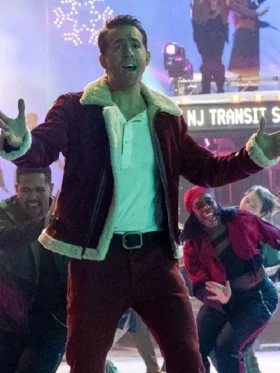
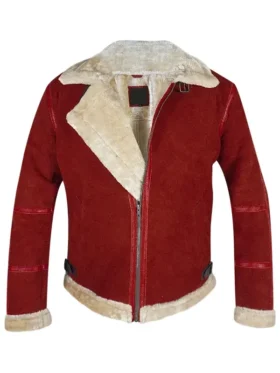
Spirited Ryan Reynolds Red Suede Jacket
Original price was: $209.98.$139.99Current price is: $139.99.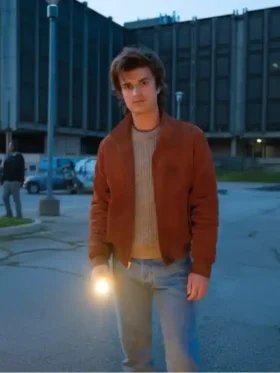
-32%
XS
S
M
L
XL
+3
2XL
3XL
4XL
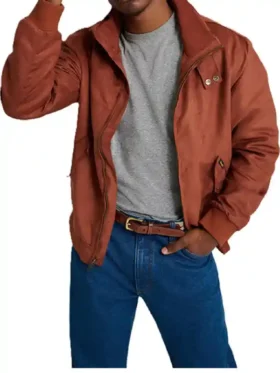
Stranger Things Steve Harrington Wrangler Jacket
Original price was: $189.99.$129.99Current price is: $129.99.
-27%

XS
S
M
L
XL
+3
2XL
3XL
4XL
Tracker S03 Justin Hartley Black Suede Jacket
Original price was: $219.00.$159.00Current price is: $159.00.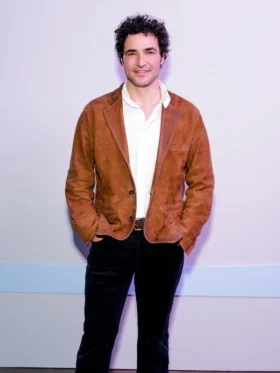
-30%
XS
S
M
L
XL
+3
2XL
3XL
4XL
Zac Posen Suede Jacket
Original price was: $199.98.$139.99Current price is: $139.99.
-37%

Brown Suede Leather Jacket Men’s
Original price was: $219.00.$139.00Current price is: $139.00.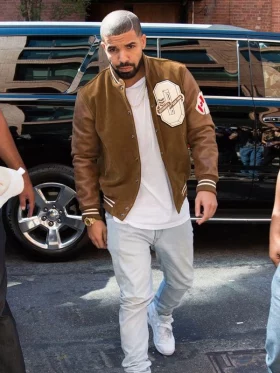
-37%
Custom
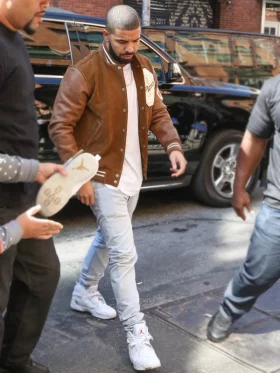
Drake Suede Leather Varsity Jacket
Men's Bomber Jackets Men's Jackets Men's Varsity Jackets Mens Suede Jackets TV and Web Series Wear Collection
Original price was: $219.00.$139.00Current price is: $139.00.
-40%
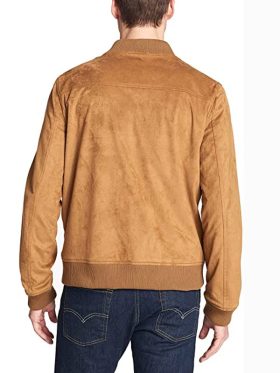
Custom
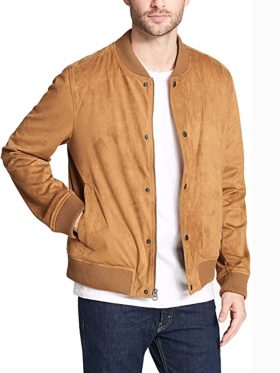
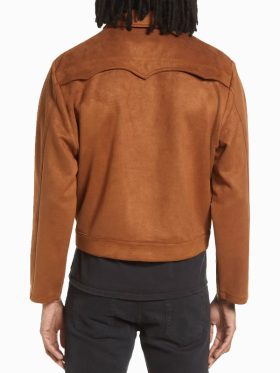
Men Suede Leather Baseball Jacket
Original price was: $199.00.$119.00Current price is: $119.00.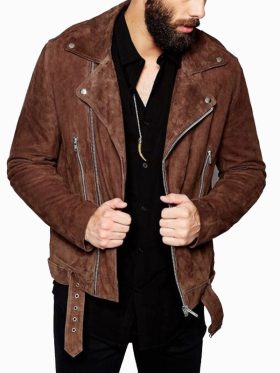
-37%
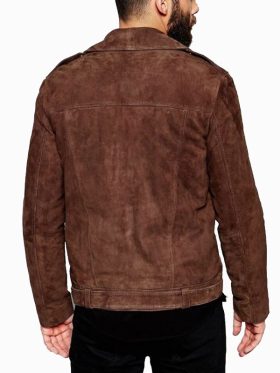
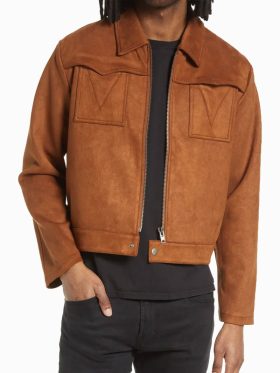
-38%
-37%

Custom
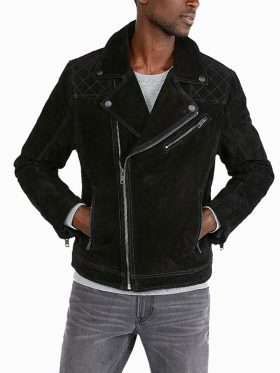
Men’s Express Genuine Suede Quilted Biker Leather Jacket
Original price was: $219.00.$139.00Current price is: $139.00.
-37%
Custom
Broken Diamond Scott Suede Leather Jacket
Mens Suede Jackets Men's Jackets Celebrity Inspired Outfits Collection TV and Web Series Wear Collection
Original price was: $219.00.$139.00Current price is: $139.00.
-35%
Custom
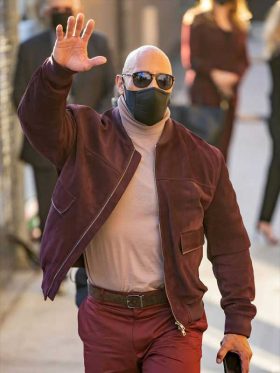
Dwayne Johnson Suede Bomber Jacket
Original price was: $229.00.$149.00Current price is: $149.00.Frequently Asked Questions
Men's suede jackets are made from the inner napped hide of the animal a softer, more pliable surface than top-grain leather giving them a distinctive velvet-like texture that pairs equally well with jeans and dress trousers. Suede is produced primarily from lambskin, goatskin, cowhide, and pigskin, with lambskin producing the softest finish and goatskin delivering the strongest combination of softness and durability.
Yes. The brown suede jacket in particular is one of the strongest menswear trends of 2026, worn publicly by Timothee Chalamet at CinemaCon, Cole Hauser at multiple events, Jacob Elordi in red suede, and Nicholas Braun in burnt orange suede across the awards and premiere circuit. The suede jacket's combination of texture, warmth, and casual-to-smart versatility makes it one of the few outerwear pieces that works across multiple styling contexts simultaneously.
Yes. A genuine lambskin or goatskin suede jacket is one of the best investments in transitional-season outerwear. Suede's napped texture and natural warmth properties provide a wearing experience that no synthetic alternative replicates at the same weight. With basic maintenance using a suede brush, suede eraser, and suede protector spray, a quality suede jacket lasts for many years and improves in character with age.
Yes. The suede jacket is one of the most age-appropriate outerwear options available across all age groups. The material reads as considered and investment-worthy rather than trend-dependent, and the trucker and cafe racer silhouettes in particular carry a quiet authority that becomes more fitting with age. Brown and tan suede colorways work naturally across a wide range of casual and smart casual occasions without any age-specific styling effort.
Use a suede brush to loosen surface dirt with gentle strokes in one direction, preserving the nap fibres rather than flattening them. For stubborn spots or dried stains, use a suede eraser with short back-and-forth strokes on the affected area. Before first wear, apply a suede protector spray across the full exterior surface to create a moisture and dirt barrier that makes all future cleaning easier. Never use water directly on suede or put a suede jacket in a washing machine.
Suede is vulnerable to water damage. Light mist or brief light rain on a suede jacket treated with protector spray is manageable, but sustained rain will mark, stiffen, and potentially stain untreated suede. If the jacket gets wet, allow it to dry naturally at room temperature away from direct heat. Once dry, brush the nap back with a suede brush and re-apply protector spray. Avoid wearing an untreated suede jacket in wet weather.
Suede is made from the inner split layer of the hide the underside of the skin producing a soft, napped texture. Nubuck is made from the outer grain layer of the hide, the same layer used in top-grain leather, but sanded or buffed on the surface to create a similar velvet-like nap. Nubuck is slightly more durable than suede because it comes from the stronger outer hide, but both materials require the same care approach of brush, eraser, and protector spray.
Brown suede is the most versatile and highest-demand choice. Cognac brown, chestnut, and whiskey tan are the strongest colorways across casual and smart casual occasions, pairing naturally with dark denim, chinos, cream knitwear, and leather boots. Black suede gives a cleaner, more contemporary look and pairs with a broader outfit range at the cost of the warmth and character that brown suede develops. Navy suede and olive suede are strong choices for buyers who want color differentiation beyond the standard brown and black palette.
A men's suede jacket should fit slightly more relaxed than a leather jacket of the same size. Suede drapes differently from leather it is softer and more fluid so a jacket that fits close enough to show shoulder shape without pulling across the chest is the target. Sleeve length should end at the wrist bone. The hem should sit at the hip for a bomber or biker silhouette, and slightly lower for a trucker or overshirt construction.