
Mens Denim Jackets
-36%
XS
S
M
L
XL
+3
2XL
3XL
4XL
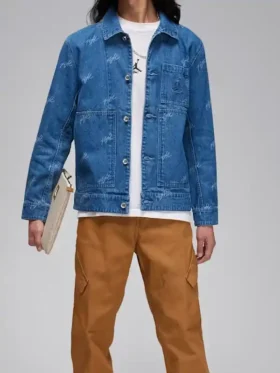
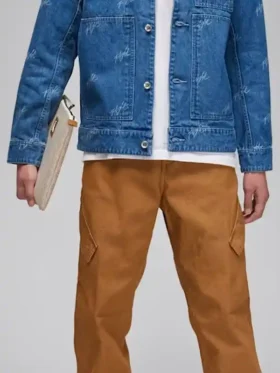
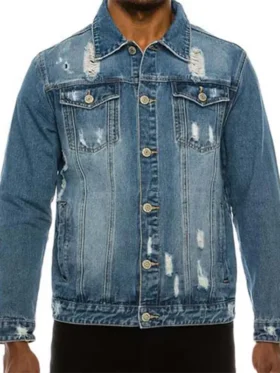
Jordan Flight Heritage Denim Jacket
Product Specifications
- Material: Heavy-Duty Denim Fabric
- Inner: Soft Viscose Lining
- Collar: Classic Shirt Style Collar
- Closure: Button Style Front Closure
- Cuffs: Standard Buttoned Cuffs
- Pockets: Two Side, One Chest, and Two Internal Pockets
- Color: Blue
-38%
XS
S
M
L
XL
+3
2XL
3XL
4XL
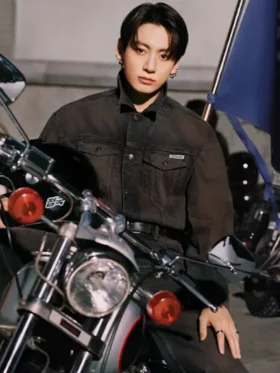
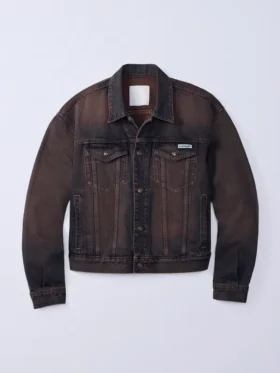
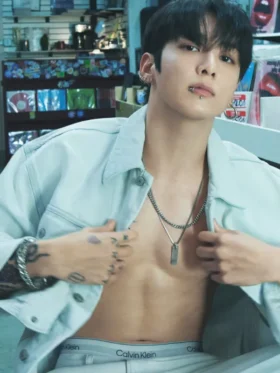
Jung Kook 90s Denim Trucker Jacket
Product Specifications:
- Inspired By: Jung Kook X Calvin Klein
- Material: Premium Denim
- Inner: Soft Viscose Lining
- Collar: Shirt Style Collar
- Closure: Button Closure
- Pockets: Four Outside and Two Inner Pockets
- Sleeves: Full Length Sleeves
- Color: Blue | Dark Brown
-45%
XS
S
M
L
XL
+3
2XL
3XL
4XL
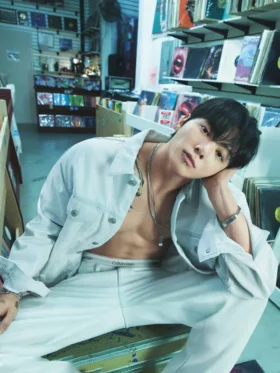
Jungkook Calvin Klein Denim Jacket
Product Specifications:
- Inspired By: Jungkook
- Material: Denim
- Inner: Viscose Lining
- Collar: Shirt Style Collar
- Closure: Button Closure
- Sleeves: Full Length
- Color: White

-50%
XS
S
M
L
XL
+4
2XL
3XL
4XL
Custom
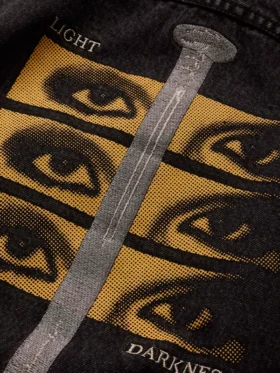
Levi’s x UNDERCOVER Type III Trucker Jacket
Product Specifications:
Material: Denim
Collar: Shirt Style Collar
Closure: Button Closure
Cuffs: Button Cuffs
Pockets: Two Side Waist Pockets
Color: Black

-50%
XS
S
M
L
XL
+4
2XL
3XL
4XL
Custom
Levis Relaxed Fit Corduroy Sherpa Trucker Jacket
Product Specifications:
Material: Denim
Inner: Sherpa trim Fur
Collar: Sherpa Collar
Closure: Button Closure
Cuffs: Button Cuffs
Pockets: Two Waist And Two Chest Pockets
Color: Blue
-50%
XS
S
M
L
XL
+3
2XL
3XL
4XL
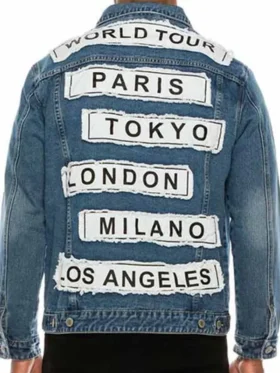
Mens World Tour Denim Jacket
Product Specifications:
- Material: Denim
- Inner: Viscose Lining
- Collar: Shirt Style Collar
- Closure: Buttoned Closure
- Cuffs: Buttoned Cuffs
- Pockets: Two Chest Pockets
- Color: Blue, Black And White

-22%
XS
S
M
L
XL
+3
2XL
3XL
4XL
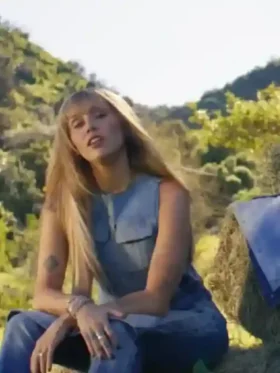
Miley Cyrus Younger Now Blue Denim Vest
Product Specifications:
- Inspired by: Miley Cyrus
- External Material: Denim Fabric
- Inner: Viscose Lining
- Collar: Round Neck Line
- Closure: Zipper Closure
- Pockets: Four Outside and One Inside
- Color: Blue

-30%

XS
S
M
L
XL
+3
2XL
3XL
4XL
MIU MIU Denim Jacket
Product Specifications:
- Material: Denim
- Inner: Viscose Lining
- Collar: Shirt Style Collar
- Closure: Button Closure
- Cuffs: Button Cuffs
- Pockets: Two Outside Pockets
- Color: Brown
-41%
XS
S
M
L
XL
+3
2XL
3XL
4XL
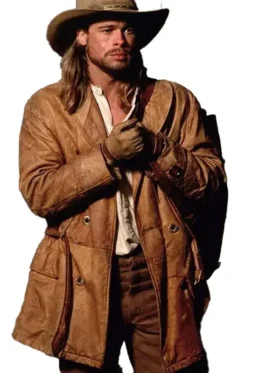
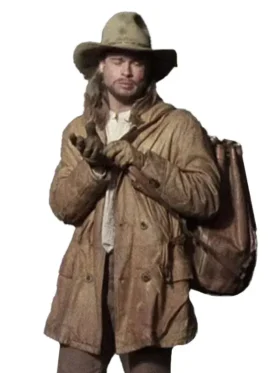
Movie Legends Of The Fall Brad Pitt Brown Jacket
Product Specifications:
- Inspired by Brad Pitt from the Movie Legends Of The Fall.
- Made up of real leather and viscose inner lining.
- Front has buttoned with belted closure with lapel collar.
- Full length sleeves.
- Four front pockets and two inside.
- Available in brown color.
-21%
XS
S
M
L
XL
+3
2XL
3XL
4XL
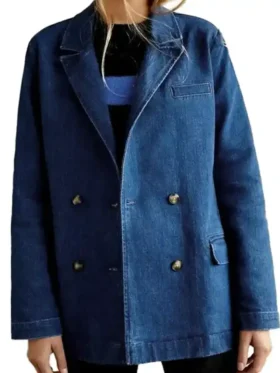
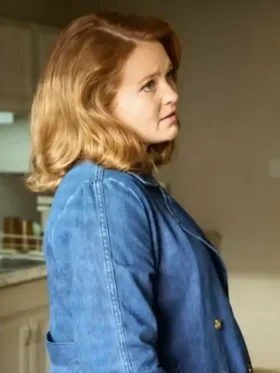
NCIS Origins Kathleen Kenny Denim Blazer
Product Specifications:
- Inspired by: Kathleen Kenny
- External Material: Denim Fabric
- Inner: Viscose Lining
- Collar: Lapel Collar
- Closure: Double Breasted Buttoned Closure
- Sleeves: Full-length Sleeves with Buttoned Cuffs
- Pockets: Three Outside and One Inside
- Color: Blue
-20%
XS
S
M
L
XL
+3
2XL
3XL
4XL
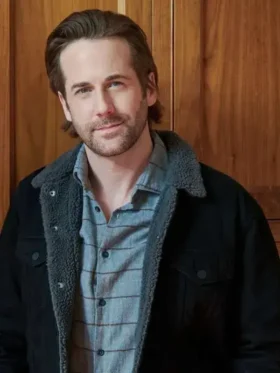
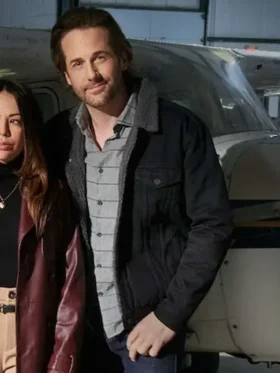
Niall Matter Family History Mysteries Buried Past Black Jacket
Product Specifications:
- Inspired by: Niall Matter
- Material: Cotton Fabric
- Inner: Shearling Lining
- Collar: Faux Shearling Collar
- Closure: Buttoned Closure
- Sleeves: Full length Sleeves
- Pockets: Four at Front and Two Inside
- Color: Black

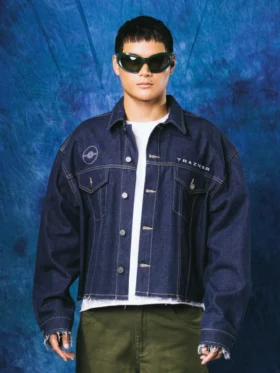
Pokémon Pikachu Denim Jacket
Product Specifications:
Material: Denim
Front: Button Closure
Collar: Shirt Style Collar
Cuffs: Button Cuffs
Color: Blue
Frequently Asked Questions
The Type III denim jacket, introduced by Levi's in 1967, is the modern standard for denim jacket silhouettes. It is defined by its tapered waist, iconic V-chest stitching, two chest pockets with button flaps, and a structured collar with button front closure. It is the most widely produced and recognised denim jacket shape in menswear and the silhouette most people picture when they say trucker jacket.
A men's denim jacket should sit cleanly at the shoulders with no overhang, and sleeves should reach the wrist bone. The body should fit comfortably over a t-shirt without pulling at the buttons, with enough room to layer a lightweight sweater underneath. Denim jackets traditionally stop at or near the waistband rather than covering the seat. Denim stretches slightly with wear so a close fit on first use is normal.
Yes, but the washes must contrast. A dark wash jacket over light wash jeans, or a light wash jacket over dark denim, reads as intentional. Matching washes of the same shade reads as unintentional and is the most common denim-on-denim mistake. Pairing a denim jacket with chinos, corduroys, or cargo trousers eliminates the challenge entirely and gives the jacket a sharper, more considered look.
Yes. The denim jacket is one of the most consistently worn outerwear pieces in 2026 street style, appearing across premium and fast fashion equally. The trucker jacket in particular has maintained its position as a wardrobe essential for men across all age groups. Ryan Gosling, Leonardo DiCaprio, and the full Yellowstone cast have all kept denim jackets in the cultural conversation through the decade, and the style shows no signs of declining.
A sherpa denim jacket combines a cotton denim outer shell with a thick sherpa fleece lining, providing warmth without the weight of a heavy winter coat. It is the cold-weather evolution of the classic trucker jacket, worn as a layering piece from autumn through early spring. The sherpa lining gives the jacket a distinctively cosy contrast between the rugged denim exterior and the soft textured interior.
Context-dependent. In creative, casual, and startup workplaces, a dark wash or black denim jacket worn over a plain Oxford shirt or fitted polo with tailored trousers reads as smart-casual and is generally accepted. In more formal or traditional office environments, a denim jacket is unlikely to meet business casual standards. The darker the wash, the closer a denim jacket sits to smart-casual territory.
New denim jackets are stiffer than worn-in ones because the cotton fibres have not yet relaxed. The fastest way to soften a denim jacket is to wear it regularly as friction and body heat break in the cotton naturally. Machine washing on a warm cycle followed by a tumble dry on low heat also softens the fabric. Adding white vinegar to the wash cycle helps relax stiff cotton without damaging the denim.
The three strongest options are: slim chinos in navy, olive, or camel for a smart-casual look; tailored cord trousers for a textured vintage pairing; and utility cargo trousers for a streetwear-forward combination. All three eliminate the denim-on-denim challenge and give the jacket a cleaner, more intentional silhouette than matching with jeans.
Light wash denim carries a sun-faded, vintage energy suited to spring and summer styling and pairs naturally with chinos and cargo trousers. Dark wash denim is the most polished finish in the denim jacket category, closest in register to a smart-casual outerwear piece, and works across all seasons including autumn and winter. Black denim is a separate category that functions similarly to a casual blazer and pairs with virtually any colour in a wardrobe.